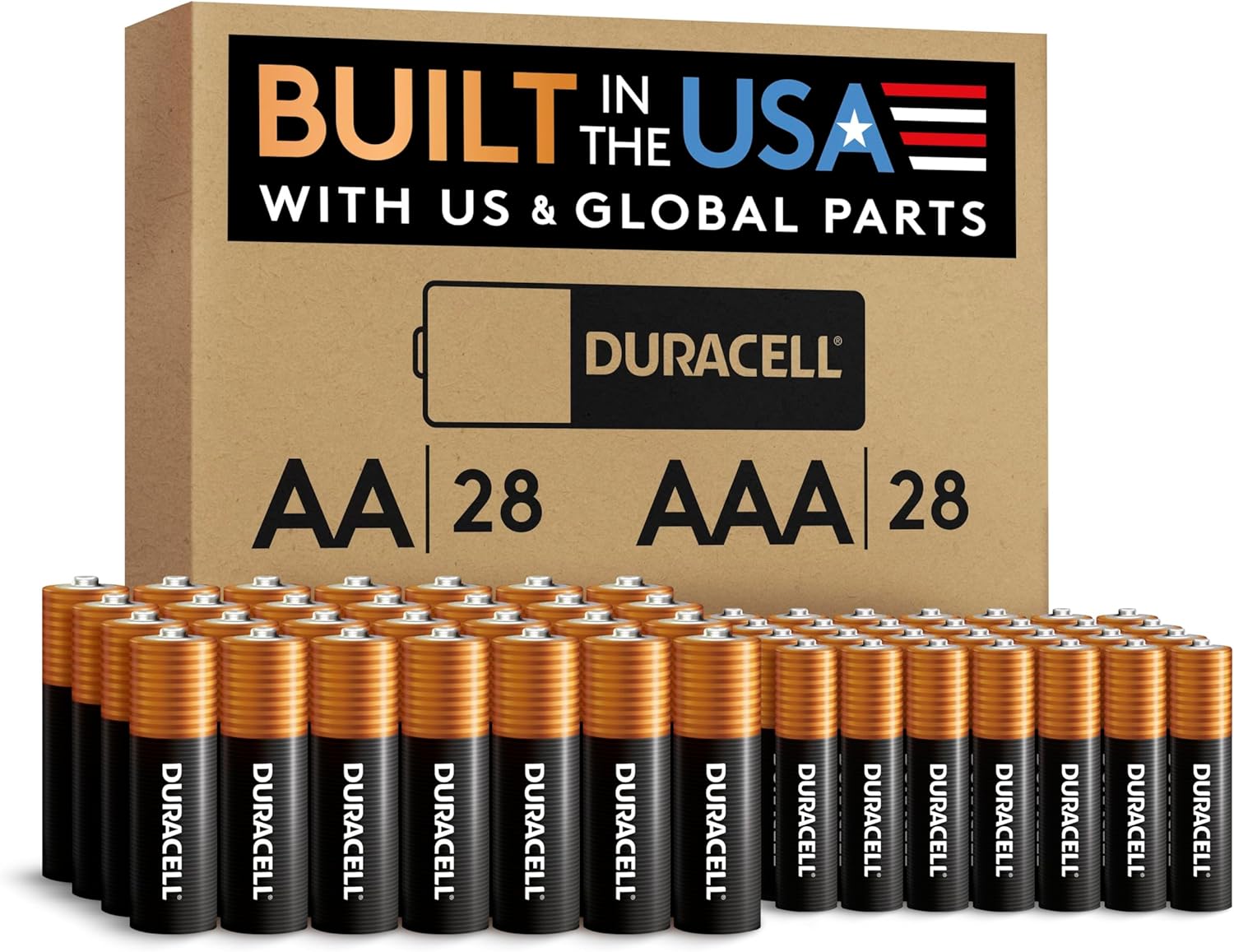
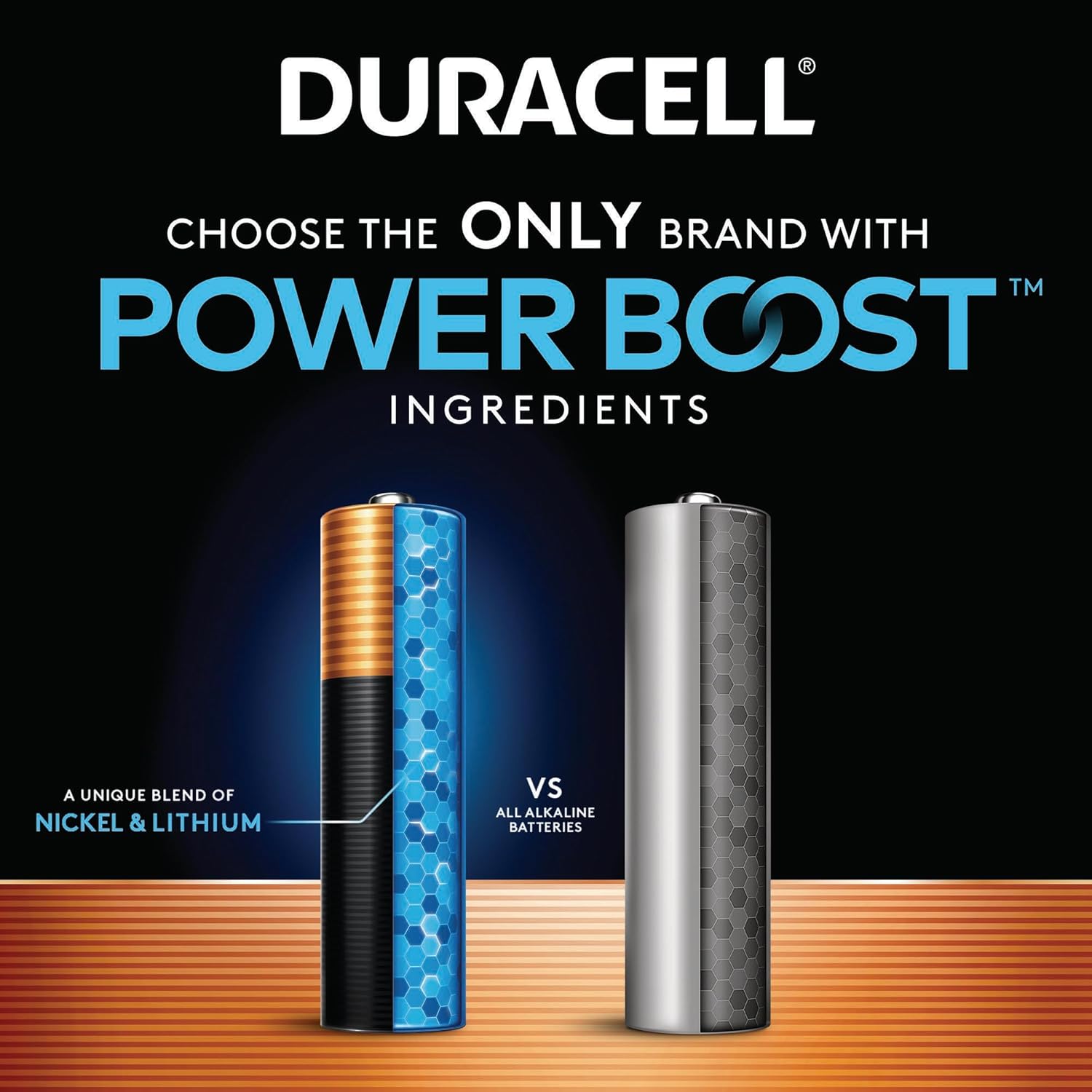
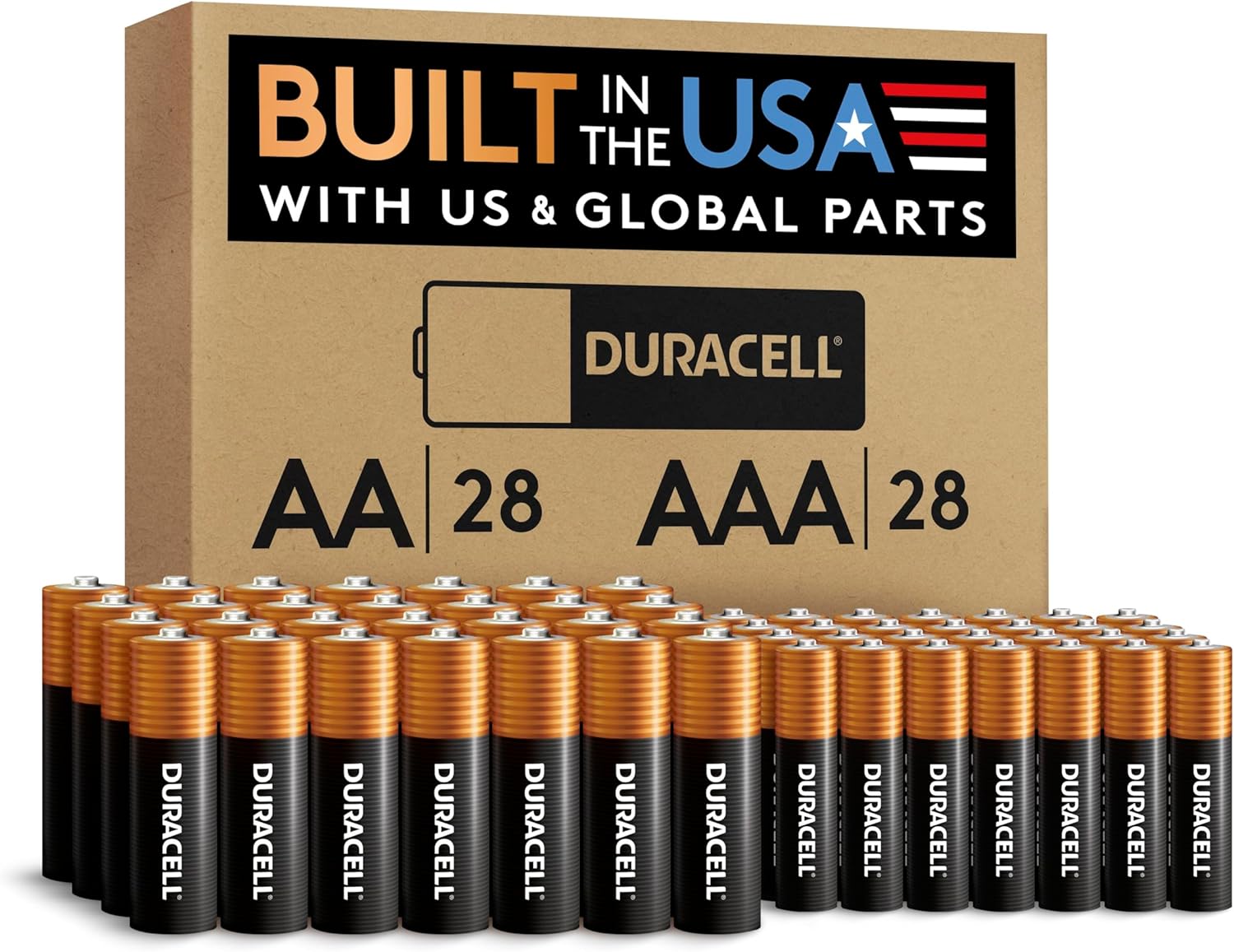
The part of the modern life is cell batteries.Batteries are essential in ensuring that our daily lives are hustle free and uninterrupted, whether in powering small appliances such as the remote control, or our large equipment.Be it cell phone, torch or even a wall clock, cell batteries give the portable power to make these devices effective.
The knowledge of the various kinds of cell batteries and their applications as well as how to select the appropriate one can save you money and enhance performance.
Cell batteries are gadgets that transform chemical energy to electrical energy.They accumulate power and discharge as and when necessary, giving electronic gadgets an opportunity to operate without being attached to a direct power source.
Batteries are made by a single or multiple electrochemical cells.Batteries are also a very good and portable source of energy since these cells have chemicals that react to generate electricity.
Types of Cell Batteries
Alkaline Batteries
The most common forms of cell batteries are the alkaline batteries.They find a lot of application in domestic products like remotes, toys and clocks.
Features:
Long shelf life
Affordable
Comes in A, AA, C and D sizes.
Lithium Batteries
Lithium batteries have been characterized by high energy density and power longevity.They are typically utilized in cameras, phones and medical equipment.
Features
Lightweight
Longer lifespan
Works excellently in high and low temperatures.
Rechargeable Batteries
Rechargeable batteries are useful because they can be used over again once they have been charged after use.They are green and economical in the long-term.
Common Types:
Nickel-metal hydride (NiMH)
Lithium-ion (Li-ion)
Zinc-Carbon Batteries
These are simple and cheap batteries that can be used to power low power appliances such as wall clocks and radios.
Features:
Low cost
Suitable for light usage
Shorter lifespan
Button Cell Batteries
Button cell batteries are small circular types of batteries that are applied in watches, hearing aids, and calculators.
Features:
Compact size
Small devices such as smartwatches, rings, bracelets, earrings, and glasses have a long-lasting factor.
Typical Applications of Cell Batteries.
The applications of cell bacteria are quite numerous and may include:
Remote controls
Flashlights
Toys
Wireless keyboards and mice
Clocks and watches
Cameras
Medical devices
They are very portable, simple to use and can be used in domestic and professional applications.
Cell Batteries have several advantages.
Portability
Cell bacteria are less heavy and can be carried anywhere; hence are ideal in portable gadgets.
Convenience
They are instant sources of power that do not require wiring or electricity hookups.
Wide Availability
There are numerous stores and online shops where cell batteries can be bought in terms of size and type.
Long Shelf Life
Battery life Battery life depends on the type of battery used and its storage conditions. A battery, particularly an alkaline battery and a lithium battery can last many years when properly maintained.
Cell Batteries have a number of disadvantages as well.
Even though cell batteries have advantages, it is clear that they have shortcomings:
Environmental influence otherwise.
Cost can add up over time
Selection of the appropriate Cell Battery.
The choice of the appropriate battery will depend on your requirements and needs with the device.These are the main factors to be considered:
Device Compatibility
It is important to ensure that the battery size and type used is that which is recommended by the device manufacturer.
Usage Frequency
In the case of frequent use: select rechargeable batteries.
On rare occasions only: alkaline batteries are good enough.
Battery Life
Lithium batteries are preferable to long-lasting power.
Budget
Rechargeable batteries are expensive at the beginning but are economical in the long run.
Tips to Extend Battery Life
Keep batteries of stores in a cool dry environment.
Take out batteries of the devices that are not in use.
Do not confuse used and new batteries.
Rechargeable batteries should be recharged with the appropriate charger.
Recycling and environmental Impact.
Misuse of batteries may be detrimental to the environment.A lot of batteries have chemicals which can be discharged into soil and water.
What you can do:
Use rechargeable batteries
Future of Cell Batteries
The future of cell bacteria is bright due to the development of technology.Researchers are developing more efficient, long lasting as well as greener batteries.The introduction of such innovations as solid-state batteries and better lithium technology will make the industry revolutionary.
Conclusion
Cell batteries are an important aspect of our daily life as they are used in powering numerous gadgets that we use daily.The knowledge of the various types, applications and advantages can enable you to make more prudent decisions when purchasing as well as enhance the performance of the device.
Do you require batteries in simple house-hold gadgets or high performance, you can have the best type of batteries to make sure that they are efficient, economical and reliable.
Discover More: Collection of outdoor fountains.
And we also sell beautiful Outdoor Fountains in case you want to beautify your home and outdoor space.We have these products and are ideal to bring class, tranquility, and natural essence to your home.You might wish to buy or acquire more knowledge regarding these sleek decoration materials, all you have to do is to press the button below and navigate through our collection and see the best fountain that fits in your room. Click the button blew to explore Outdoor Fountains now